SOC HTB - Section 15: Security Incident Reporting
Incident Report, Incident Identification and Categorisation
Purpose of an Incident Report
- The Bridge: Connects the initial threat identification to the final remediation steps.
- The Archive: Documents lessons learned to prevent future attacks.
- Multi-Audience: Must balance technical details with plain language to serve different stakeholders:
- Legal: Regulatory compliance.
- Executives: Risk profile assessment.
- Finance (CFO): Financial impact evaluation.
Threat Identification Sources
Incidents usually manifest as anomalies or deviations from a baseline. They are identified through three main channels:
- Security Tooling: Alerts from SIEM, EDR/XDR, IDS/IPS, NetFlow, or Anti-Virus.
- Human Observation: Internal staff reporting unusual system behavior or suspicious emails.
- Third-Party Notifications: External partners, vendors, or customers reporting a breach or vulnerability.
Incident Categories
Categorizing an incident helps allocate the right resources quickly.
- Malware: Viruses, worms, ransomware.
- Phishing: Fraudulent attempts to steal data, usually via email.
- DDoS: Flooding networks to disrupt availability.
- Unauthorized Access: Intruders bypassing access controls.
- Data Leakage: Accidental or intentional exposure of confidential data.
- Physical Breach: Unauthorized entry into physical secure locations.
Severity Levels
Note: Severity and categories are fluid and can change dynamically as you gather more intelligence during your investigation.
| Level | Severity | Definition | Required Action |
|---|---|---|---|
| P1 | Critical | Imminent threat to core business functions or sensitive data. | Immediate intervention. |
| P2 | High | Latent threats to business operations. | Elevated priority response. |
| P3 | Medium | Does not pose an immediate threat to core operations. | Timely attention. |
| P4 | Low | Trivial incidents or routine anomalies. | Manage within standard workflows. |
The Incident Reporting Process
Formally recognize the incident before reporting begins. Detection can happen through human observation, automated security tools, or directly from the threat actor.
Assess the scope and determine the potential blast radius of the incident. Apply the proper categorization and severity levels (P1-P4) to dictate response priority.
Meticulously track every action taken and piece of evidence found using tools like TheHive Project or JIRA. Pen and paper act as fallbacks.
Promptly alert stakeholders based on the incident’s scope. Internal communications to IT/Legal/PR, and external to regulatory bodies or customers.
Conduct a comprehensive technical analysis. Compile all findings, logs, and evidence to understand the full impact.
Create the definitive record of the event detailing what happened, the root cause, and the remedial actions taken for executives and regulators.
Revisit the event in a post-incident reflection. Identify what went wrong and how to improve the response process, turning the incident into a strategic asset.
Elements of a Proper Incident Report
The Executive Summary
This section is for a broad, non-technical audience. Many stakeholders will only read this part, so it must be clear.
- Incident ID - Always include a unique tracking number.
- Incident Overview - Explain what happened, the date and time, the duration, and if it is ongoing or resolved.
- Key Findings - State the root cause, any specific CVE exploited, and exactly what data was jeopardized.
- Immediate Actions Taken - Outline how systems were isolated and if third-party services were brought in.
- Stakeholder Impact - Translate the technical breach into business terms like financial loss, downtime, or exposed proprietary information.
Technical Analysis
This is the most voluminous part of the report, detailing exactly how the attack unfolded.
- Affected Systems and Data - List compromised nodes and specify the exact volume of exfiltrated data.
- Evidence Sources - Document how you found the breach. You must hash files to maintain strict evidence integrity for legal cases.
- Indicators of Compromise (IoCs) - List the artifacts used to hunt for further infections and identify the threat actor.
- Root Cause Analysis - Detail the exact vulnerability or failure point that allowed the breach.
- Technical Timeline - Track the exact sequence of events from initial reconnaissance and C2 communications through lateral movement, exfiltration, and final containment.
Response, Recovery, and Impact
This section proves what you did to stop the bleeding and restore the network.
- Impact Analysis - Quantify the operational damage, regulatory penalties, and reputational harm.
- Immediate Response - Detail exactly how and when you revoked access for compromised accounts.
- Containment Strategy - Explain short-term isolation tactics and long-term architectural fixes like network segmentation.
- Eradication Measures - Document your malware removal tools, how you verified the removal, and your step-by-step patch management process.
- Recovery Steps - Prove that you validated backups before restoration and ran security checks before bringing systems back online.
- Post-Incident Actions - Establish enhanced monitoring plans and conduct a gap analysis for lessons learned.
Diagrams and Visuals
Complex narratives require visual aids to help the reader understand the flow.
- Incident Flowchart - Illustrates the overall progression of the attack.
- Affected Systems Map - Shows your network topology. Use color-coding to highlight the severity of compromised nodes.
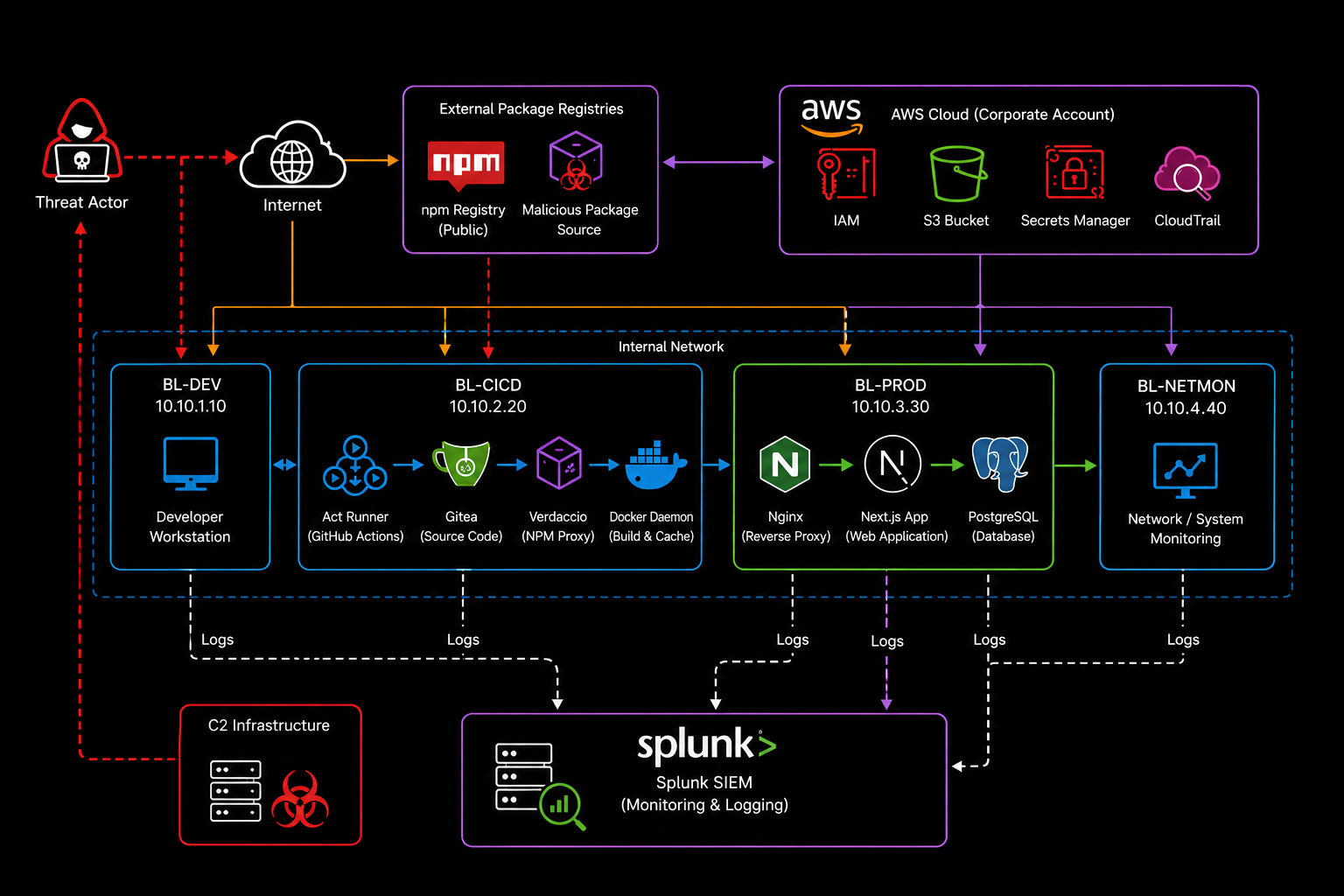
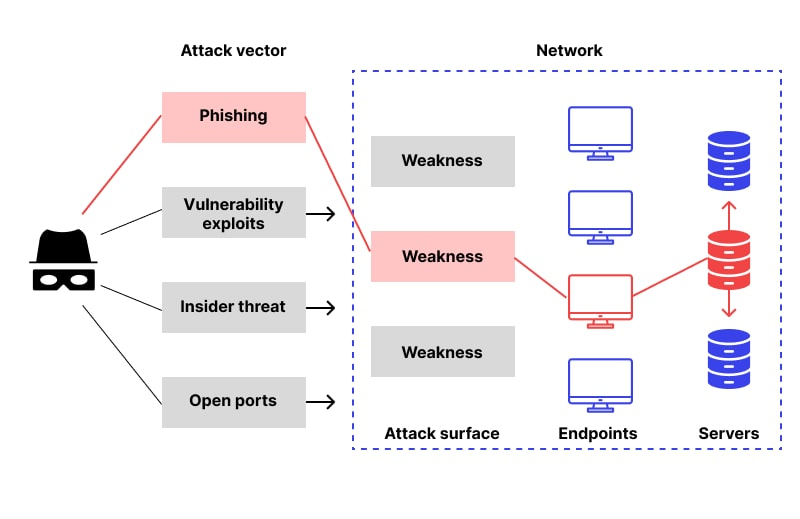
- Attack Vector Diagram - Uses arrows and annotations to visually trace the attacker’s path through your defenses.
The Appendices
This repository holds the raw data that gives your report credibility.
- Include verifiable artifacts like log files, forensic evidence (disk and memory dumps), code snippets, and network diagrams.
- Store administrative records like communication logs, signed NDAs, and a glossary of terms.
Core Best Practices
- Always hunt for the absolute root cause rather than just treating symptoms.
- Keep stakeholders looped in with regular updates throughout the entire process.
- Consider hiring external specialists to validate your team’s findings.
- Share non-sensitive details with the wider cybersecurity community to improve collective defense.
Communications
The “Why” of Incident Communications
Handling a crisis requires more than just technical fixes. Effective communication is the glue that holds the response together.
- Stakeholder Trust - Transparent messaging proves your organization has command over the situation.
- Coordination - Keeps the technical responders and the broader organization perfectly aligned.
- Compliance - Ensures you follow the legal mandates explicitly documented in your Incident Response Plan (IRP).
Internal vs. External Messaging
You must segment how you talk to your own team versus how you talk to the outside world.
Internal Communications
- Immediate Notification - Alert internal stakeholders the moment an incident is acknowledged to prevent rumors or leaks.
- Regular Updates - Disseminate periodic briefings so all departments share the exact same status and understanding.
- Feedback Loop - Create a dedicated conduit for teams to exchange findings, voice concerns, or offer technical suggestions.
External Communications
- Affected Parties - Reach out directly to impacted customers, clients, or business partners.
- Public Statements - Keep the language lucid and steer clear of technical jargon to prevent public confusion.
- Regulatory Bodies - Notify oversight entities within their strictly stipulated timeframes.
Securing Your Channels (Technical Dimensions)
When discussing the nitty-gritty of an incident, your communication methods must be bulletproof.
- Encryption - Wrap all sensitive incident discussions in robust end-to-end encryption.
- Strict Access - Enforce Multi-Factor Authentication (MFA) to lock down who can join the channel.
- Data Integrity - Use cryptographic hashing to guarantee messages remain unaltered in transit.
- Ephemeral Messaging - Utilize auto-destructing platforms for top-secret discussions to minimize future exposure risks.
- Air-Gapped Systems - Resort to completely isolated, offline networks if you suspect your primary communication backbone is compromised.
Navigating the Law (Regulatory Dimensions)
Security must be balanced with strict legal and regulatory mandates.
- Data Privacy - Adhere rigidly to frameworks like GDPR whenever personal data is involved.
- Breach Notifications - Abide by specific legal timelines and content guidelines mandated by your jurisdiction.
- Record-Keeping - Walk the tightrope between using secure ephemeral messages and laws that mandate a permanent record of all communications.
- Cross-Border Rules - Respect data sovereignty laws that dictate how data is transmitted when an incident spills over national borders.
- Chain of Custody - Maintain an unbroken trail of communications so your evidence remains legally admissible in court.